A Resounding Return: Taiwan Confirms PIF Engagement in Palau After Last Year's Bar
In a significant diplomatic development that has captured global attention, Taiwan has officially confirmed its participation in the upcoming Pacific Islands Forum (PIF) Leaders Meeting. Set to take place in Palau from August 30 to September 4, this return marks a crucial moment for Taiwan's international standing, especially after its representatives were controversially barred from last year's summit. This latest Taiwan Rejoins PIF Summit in Palau: A Diplomatic Comeback signals not only a diplomatic win but also a reaffirmation of long-standing alliances and shared values in the strategically vital Pacific region. For anyone following pif taiwan news, this announcement comes as a welcome update, underscoring Taiwan's persistent efforts to maintain its international space and contribute to regional stability.
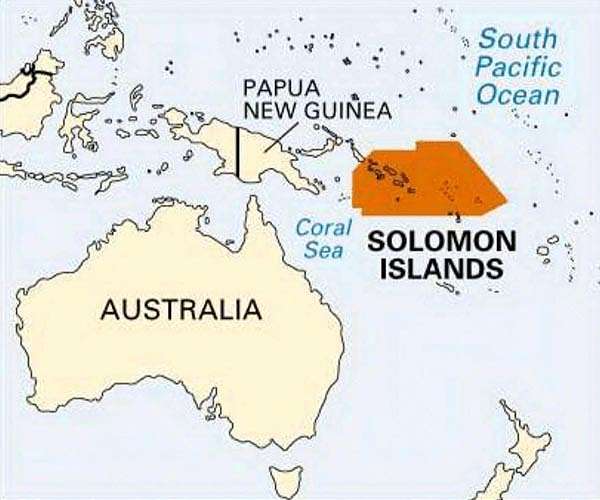
Last year's exclusion from the PIF gathering in the Solomon Islands, which also affected other non-members, was widely interpreted as a consequence of increasing geopolitical pressures in the Pacific, particularly from Beijing. Taiwan, officially known as the Republic of China, has consistently faced challenges to its participation in international organizations due to the People's Republic of China's "One China" principle. Therefore, the confirmation from Taiwan's Ministry of Foreign Affairs (MOFA) that it will attend this year's forum is more than just a procedural announcement; it represents a hard-won victory in its ongoing diplomatic endeavors and highlights the unwavering support of key allies like Palau.
A Diplomatic Resurgence: Understanding Taiwan's Return to the PIF
The Pacific Islands Forum is the region's premier political and economic policy organization, bringing together heads of state and government from across the Pacific to discuss critical issues. Taiwan's long-standing engagement with many of these island nations, often through aid and development programs, has made its presence a familiar fixture at PIF-related events. The absence last year, therefore, was a stark reminder of the delicate geopolitical balance at play in the region.
According to Michael Lin, Director of the Department of East Asian and Pacific Affairs, Taiwan's re-entry into the forum this year is a testament to the strong bilateral relationships it cultivates. While the exact nature of Taiwan's participation is still being finalized, it is expected to involve holding events on the sidelines of the main forum, a format it has successfully utilized in previous years. This approach allows Taiwan to engage with leaders, exchange views on pressing regional issues, and showcase the results of its extensive cooperation initiatives without directly challenging the diplomatic protocols of the main intergovernmental body. This strategic flexibility is a hallmark of Taiwan's diplomacy, allowing it to navigate complex international environments effectively.
The decision by Palau, one of Taiwan's 12 formal diplomatic allies, to host the forum and facilitate Taiwan's return is a powerful statement of solidarity. Palau's commitment to democratic partners and shared values has been a consistent theme in its foreign policy, providing a crucial platform for Taiwan to demonstrate its value as a responsible regional stakeholder. This reciprocal support is a cornerstone of Taiwan's "steadfast diplomacy," which prioritizes genuine, long-term partnerships over transactional relationships. The upcoming PIF meeting is therefore not just an event; it's a barometer of shifting diplomatic winds and the resilience of democratic alliances in the Indo-Pacific.
Strengthening Alliances and Regional Resilience Through Cooperation
Palau's agenda for this year's summit, focusing on enhancing good governance, development, and resilience in the region with democratic partners, aligns perfectly with Taiwan's own priorities and capabilities. Taiwan has a robust track record of assisting its Pacific allies in areas such as agriculture, fisheries, healthcare, education, and climate change adaptation. These efforts are not merely handouts; they are designed to build sustainable capacity and foster genuine self-reliance, reflecting a deep commitment to the prosperity and well-being of its partners.
A tangible example of this collaboration will be on display during the summit itself. As pledged by Minister of Foreign Affairs Lin Chia-lung during a visit to Palau in December, Taiwan is assisting Palau in acquiring energy-efficient, environmentally friendly transportation. These modern buses will shuttle delegates during the PIF meeting, showcasing a commitment to green initiatives and practical support. Upon the conclusion of the event, these buses are expected to remain in Palau, significantly enhancing the island nation's public transportation infrastructure and leaving a lasting legacy of Taiwan's contribution to sustainable development. Such initiatives are crucial for building trust and demonstrating the concrete benefits of partnership.
The opportunity for Taiwan to openly work with Palau to demonstrate the results of decades-long bilateral cooperation during the PIF summit is invaluable. It provides a platform to highlight successful projects, share expertise, and collaboratively address common challenges, from climate change to public health. This continued engagement is vital for maintaining Taiwan's visibility and influence in a region where its democratic values and development model offer a compelling alternative. For more insights into these crucial interactions, refer to Taiwan's PIF Engagement: Strengthening Ties with Palau & Region.
The Geopolitical Chessboard: Why the Pacific Matters
Beyond the immediate diplomatic implications for pif taiwan news, Taiwan's participation in the PIF Leaders Meeting carries significant geopolitical weight. The Pacific Islands are increasingly becoming a battleground for influence between major global powers. China's growing economic and military presence in the region has raised concerns among traditional partners, including the United States, Australia, and New Zealand, about regional stability and the erosion of democratic norms.
In this complex environment, Taiwan's presence, even as a non-member observer, serves as a counterweight and a symbol of solidarity among like-minded democratic nations. Its engagement reinforces the idea that smaller nations have choices in their diplomatic and developmental partnerships, beyond the binary of Beijing and Washington. Taiwan's focus on transparent, mutually beneficial cooperation aligns with the principles that many Pacific island nations value, fostering genuine relationships built on trust rather than coercion.
The PIF summit in Palau offers a unique opportunity for Taiwan to articulate its vision for a free and open Indo-Pacific, one that respects sovereignty, upholds international law, and promotes sustainable development. By actively participating, Taiwan underscores its commitment to regional peace and prosperity, demonstrating that it is a responsible and capable international actor despite its unique diplomatic status.
Beyond the Summit: Practical Implications and Future Outlook
Taiwan's confirmed return to the PIF Leaders Meeting sets an important precedent. It signals that persistent diplomatic efforts and the strength of alliances can overcome obstacles, even in the face of significant external pressure. For Taiwan, it's a reaffirmation that its contributions to global and regional well-being are recognized and valued by its partners. This success could potentially pave the way for increased participation in other international or regional forums where Taiwan's expertise and resources can be beneficial.
Looking ahead, observers will be keen to see what concrete outcomes emerge from Taiwan's engagement. Will it lead to new collaborative projects? Stronger joint declarations on regional issues? The most important takeaway, however, is the reaffirmation of Taiwan's unwavering commitment to its Pacific allies. This continuous interaction is crucial for fostering shared development goals, enhancing regional security, and building a more resilient and prosperous future for the island nations.
For individuals and organizations interested in regional development, understanding the nuances of Taiwan's engagement offers valuable insights. It highlights the importance of fostering diverse partnerships, prioritizing sustainable projects, and advocating for democratic governance in a rapidly changing world. Taiwan's experience in building robust bilateral ties serves as a model for effective international cooperation.
Conclusion
Taiwan's confirmed participation in the Pacific Islands Forum Leaders Meeting in Palau is a pivotal moment following last year's diplomatic setback. It underscores the enduring strength of Taiwan's alliances, particularly with nations like Palau, and its unwavering commitment to contributing to regional development and stability. This return is a significant piece of pif taiwan news, highlighting Taiwan's diplomatic resilience and its crucial role as a democratic partner in the Indo-Pacific. As the summit approaches, the international community will be watching closely as Taiwan once again demonstrates its value, not just as a recipient of support, but as a proactive and responsible contributor to a shared future.